Table of Contents
Understanding Sugar Glider Behavior
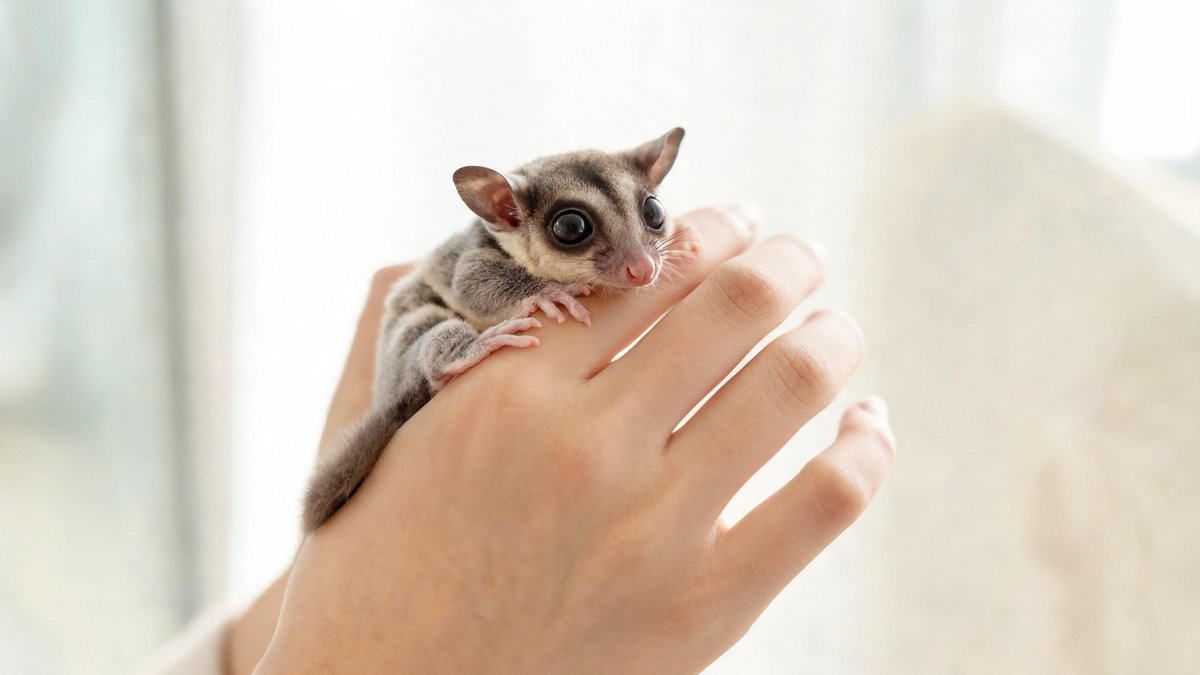
Sugar gliders are social, nocturnal marsupials that thrive on companionship. In the wild, they live in colonies of 10-15 gliders. When you bring a sugar glider home, it’s essential to understand that they may be fearful and need time to adjust. Rushing the bonding process can lead to stress and bites.
According to the Sugar Glider Association, up to 80% of sugar glider behavior problems stem from insufficient bonding during the first few weeks.
Preparation Before Bonding
Creating a Safe Environment
Before you start bonding, ensure your sugar glider’s cage is set up properly. Place the cage in a quiet, low-traffic area where they feel secure. Provide hiding spots like pouches or nest boxes, as well as toys and a proper diet. A stressed glider will not bond well.
Let Them Settle In
Give your sugar glider at least 2-3 days to acclimate to their new surroundings. During this time, avoid handling them. Simply talk softly near the cage so they get used to your voice and presence.
Step-by-Step Bonding Process
1. Scent Swapping
Gliders rely heavily on scent. Start by rubbing a soft cloth on your hands and neck, then place it in their cage. Do the same with a cloth that smells like them. This helps them associate your scent with safety.
Extend scent swapping beyond the initial days by wearing a small piece of fleece fabric tucked into your collar during the day, then placing it in their sleeping pouch at night. This continuous exposure to your scent during their most relaxed hours accelerates bonding. You can also sleep with a small bonding pouch for a night or two to infuse it deeply with your scent before introducing your glider to it. The goal is to make your scent a constant, reassuring presence in their environment so they learn to associate you with safety and comfort.
2. Treat-Based Trust
Offer treats from your hand. Yogurt drops, fresh fruit, or mealworms are favorites. Hold the treat through the cage bars, then gradually move to open the door. Let them take the treat without grabbing them.
3. Bonding Pouch Time
Use a bonding pouch (fleece pouch) that fits around your neck. After a few days of treat training, place your glider inside the pouch and wear it for 1-2 hours during the day while you do quiet activities. The closeness builds trust through your scent and heartbeat.
Patience is key: bonding can take anywhere from 2 weeks to 2 months. Each glider is unique.
4. Gentle Handling
Once your glider is comfortable in the pouch, begin cupping them in your hands for short periods. Always support their body and never grab them. Let them crawl on you voluntarily.
Sugar Glider Diet: Protein, Calcium, and Balance
Sugar gliders require a carefully balanced diet — nutritional deficiencies are the leading cause of health problems in captive gliders. The widely recommended diet ratio is approximately 50% protein, 25% vegetables, and 25% fruit, with a calcium-to-phosphorus ratio of 2:1. Acceptable staple protein sources include cooked lean chicken, hard-boiled eggs, and high-quality insects such as mealworms and crickets. Suitable vegetables include kale, collard greens, green beans, and peas. Safe fruits include apples, melons, berries, and papaya — but fruits high in phosphorus such as bananas and grapes should be limited to occasional treats. Avoid avocado, chocolate, onions, garlic, and any food seasoned with salt or spices. A common mistake is feeding too much fruit, which leads to obesity and calcium deficiency. Supplement with a calcium powder designed for insectivores at every feeding, and provide fresh water in both a bowl and a hanging bottle.
Social Needs: Why Solo Gliders Suffer
Sugar gliders are colony animals that experience severe stress when housed alone. In the wild, isolation means death. A solitary captive glider may exhibit stereotypic behaviors including pacing, over-grooming to the point of fur loss, excessive barking at night, and self-mutilation. Unless a glider has demonstrated aggression toward all cage mates, always keep them in pairs or small same-sex groups. Bonded pairs groom each other, huddle for warmth, and vocalize constantly — behaviors that are impossible for a human owner to replicate fully. If you can only keep one glider, you must commit to at least 4-6 hours of daily interaction during their active hours. Even with this dedication, most experienced keepers agree that solo housing is suboptimal and should be a temporary arrangement only.
Common Mistakes to Avoid
- Rushing: Forcing interaction too soon can set back bonding.
- Loud Noises: Keep your environment calm.
- Inconsistent Schedule: Gliders thrive on routine.
- Neglecting Nighttime: Bond during their active evening hours.
Health Care and Common Illnesses
Sugar gliders hide early signs of illness — in the wild, appearing weak attracts predators. By the time symptoms are visible, the condition may be advanced. Learn your glider's normal weight, eating habits, and activity patterns so deviations are noticeable. Common health issues include hind leg paralysis from calcium deficiency (preventable with proper diet and supplementation), painful dental disease from sugary diets, and stress-related self-mutilation. A sugar glider that suddenly becomes aggressive, lethargic, or stops eating needs an exotic vet immediately — not tomorrow, not after the weekend. Find a veterinarian experienced with marsupials before you bring your glider home, and schedule annual wellness exams. Keep an emergency travel kit ready with a fleece pouch, hand warmers, and a small carrier. Quick response to health issues is the single biggest factor in treatment success for these small, fast-metabolizing animals.
Maintaining the Bond Long-Term
Once trust is established, continue daily interaction. Play with them, offer treats, and respect their moods. A well-bonded sugar glider will seek you out for cuddles and play.
Conclusion
Bonding with a sugar glider requires time, patience, and consistency. By understanding their nature and using gentle techniques like scent swapping and consistent daily pouch bonding, you can build a loving relationship with your marsupial friend. Remember that trust is earned through patience — enjoy the journey!
Creating the right physical environment supports the bonding process. The cage should be at least 24 x 24 x 36 inches for a pair, placed at eye level or higher (gliders feel safer above human head height), and equipped with fleece pouches, branches for climbing, and a solid exercise wheel. A glider that feels safe and secure in its home is far more receptive to building trust with you.
Bringing a new pet home is an exciting milestone, but the first few weeks set the foundation for your entire relationship. Create a quiet, safe space where your pet can decompress before exploring the rest of your home. Dogs benefit from a consistent daily schedule for meals, walks, and potty breaks. Cats appreciate vertical space like cat trees or shelves where they can observe from a safe height. Introduce family members gradually and let your pet set the pace for interactions. Patience during this adjustment period pays enormous dividends in the trust and bond you will build over the coming years.
Regular veterinary checkups form the backbone of preventive pet care. Most adult dogs and cats benefit from an annual wellness exam, while seniors and animals with chronic conditions may need visits every six months. During these appointments, your veterinarian can catch emerging health issues before they become serious, update vaccinations, and perform routine bloodwork that reveals early signs of kidney disease, diabetes, or thyroid disorders. Many pet owners skip these visits when their animal appears healthy, but preventive care is ultimately more affordable and less stressful than emergency treatment.
Knowing when to seek veterinary attention can save your pet's life. Sudden changes in appetite, water intake, or energy levels warrant a call to your vet. Vomiting or diarrhea lasting more than 24 hours, unexplained weight loss, difficulty breathing, and persistent limping are all red flags that should not be ignored. Likewise, if your pet is hiding more than usual, showing aggression when touched, or refusing to use the litter box or go outside, these behavioral shifts often signal underlying discomfort. Trust your instincts -- you know your pet's normal better than anyone.
Proper nutrition goes far beyond simply filling a bowl twice a day. Every life stage brings different dietary requirements. Growing puppies and kittens need controlled calcium and phosphorus ratios for healthy bone development. Adult pets thrive on maintenance formulas that match their activity level. Senior animals often benefit from increased protein to preserve muscle mass and added joint supplements like glucosamine and chondroitin. The quality of ingredients matters significantly -- named animal proteins should appear first on the ingredient list, and artificial preservatives, colors, and by-products are best avoided altogether.
Dental health is one of the most overlooked aspects of pet care, yet dental disease affects over 80 percent of dogs and cats by age three. Without regular care, plaque hardens into tartar, leading to inflamed gums, tooth loss, and bacteria that can enter the bloodstream and damage the heart, liver, and kidneys. Daily brushing with pet-safe toothpaste is the gold standard, but dental chews, water additives, and specially formulated diets can also help reduce buildup. Annual professional cleanings under anesthesia remain essential for removing tartar below the gum line where brushing cannot reach.
Physical activity is as vital for pets as it is for people, influencing not just weight management but also mental health and behavior. Dogs generally need 30 to 60 minutes of purposeful exercise daily, adjusted for breed, age, and health status. Cats benefit from interactive play sessions that mimic hunting behaviors. Inadequate exercise is a leading cause of obesity, which now affects over 50 percent of domestic pets and contributes to arthritis, diabetes, and reduced lifespan. A tired pet is a happy, well-behaved pet.
Mental stimulation is just as important as physical exercise for your pet's overall well-being. Boredom in pets often manifests as destructive behaviors such as chewing furniture, excessive barking, or scratching carpets. Puzzle toys, treat-dispensing balls, and hide-and-seek games engage your pet's natural problem-solving instincts. Rotating toys every few days prevents habituation and keeps novelty alive. For cats, window perches and cat trees provide valuable environmental enrichment. For dogs, nose work games and basic trick training strengthen your bond while tiring them mentally in ways a simple walk cannot match.