Table of Contents
What you feed your dog is one of the most important decisions you'll make as a pet owner. Good nutrition is the foundation of a long, healthy life — it affects everything from your dog's energy levels and coat condition to their immune function and lifespan. Yet with thousands of dog food options on the market, conflicting advice online, and the rise of raw and homemade diets, many owners feel completely overwhelmed.
This guide breaks down exactly what your dog needs to eat — and what they definitely shouldn't — based on current veterinary science.
Key Nutrients Every Dog Needs
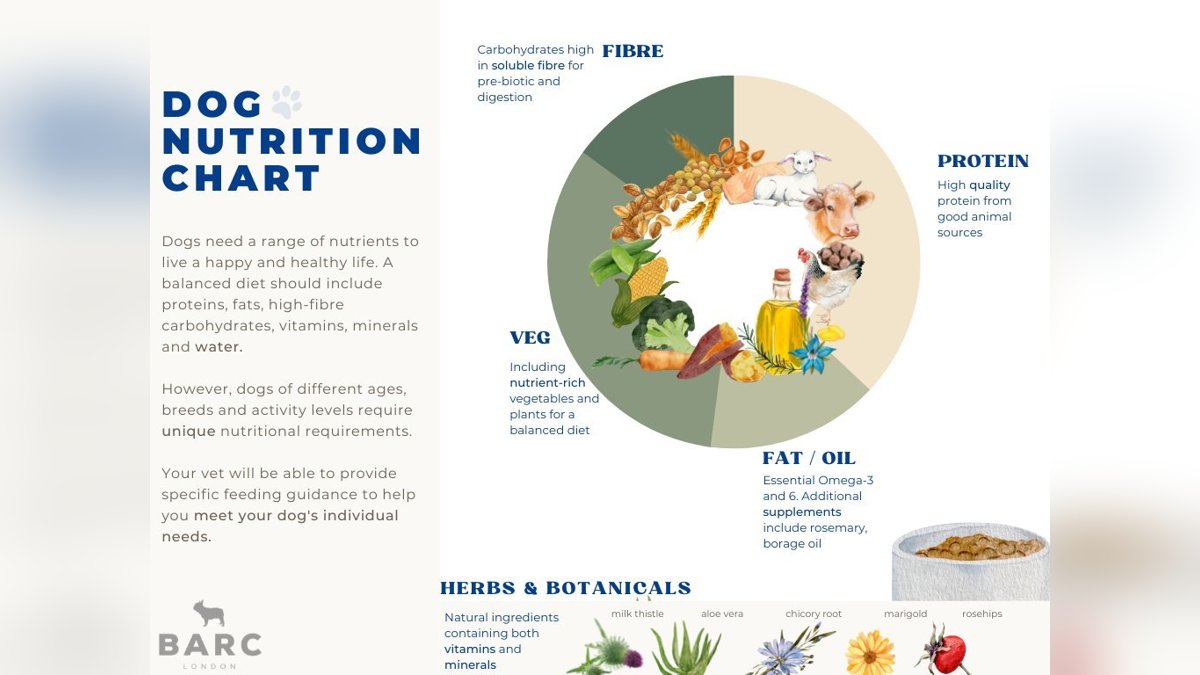
Dogs are facultative carnivores — they thrive on a meat-based diet but can also digest and utilize plant-based nutrients. A complete and balanced dog diet must include these six essential nutrient categories:
- Protein: Builds and repairs muscles, skin, and organs. Essential amino acids like taurine and arginine must come from diet. Look for named animal proteins (chicken, beef, salmon) as the first ingredient.
- Fats: Provide energy, support brain function, and maintain healthy skin and coat. Omega-3 and omega-6 fatty acids are critical. Sources include fish oil, chicken fat, and flaxseed.
- Carbohydrates: While not strictly essential, quality carbs from sweet potatoes, brown rice, and oats provide fiber and steady energy. Avoid corn, wheat, and soy as primary fillers.
- Vitamins: A, D, E, K, and B-complex vitamins support everything from vision to blood clotting. Complete commercial foods include the right balance.
- Minerals: Calcium, phosphorus, potassium, zinc, and iron are critical for bone health, nerve function, and oxygen transport.
- Water: The most overlooked nutrient. Dogs need 1 ounce of water per pound of body weight daily. Always provide fresh, clean water.
Commercial Dog Food: How to Choose Wisely
Not all dog foods are created equal. Here's what to look for — and what to avoid — when reading a dog food label:
What to Look For
- A named animal protein as the first ingredient (e.g., "Chicken" not "Poultry meal")
- AAFCO nutritional adequacy statement confirming the food is "complete and balanced"
- Whole food ingredients you recognize: sweet potato, blueberries, carrots
- Omega fatty acids from named sources (fish oil, flaxseed)
- Natural preservatives (mixed tocopherols, vitamin E) instead of artificial ones
What to Avoid
- Generic "meat meal" or "animal digest" — these can be from any source
- Artificial colors (Red 40, Yellow 5), flavors, and preservatives (BHA, BHT, ethoxyquin)
- Excessive fillers like corn gluten meal, wheat middlings, and soy
- Added sugar or corn syrup — dogs don't need sweeteners
- Propylene glycol — banned in cat food but still found in some dog foods
Feeding by Life Stage
Puppy (0-12 months, up to 24 months for large breeds)
Puppies need 2-4 times more calories per pound than adult dogs. Feed a puppy-specific formula that supports rapid growth and brain development. Large-breed puppies specifically need large-breed puppy food to control growth rate and prevent skeletal problems. Feed 3-4 small meals daily for the first 6 months, then reduce to 2-3 meals.
Adult (1-7 years depending on breed)
Feed 1-2 meals daily of a maintenance formula matched to your dog's activity level. A moderately active 30-pound dog needs about 600-700 calories per day. Monitor body condition — you should be able to feel (but not see) your dog's ribs with gentle pressure.
Senior (7+ years)
Senior dogs benefit from formulas with higher-quality protein to maintain muscle mass, added glucosamine and chondroitin for joint health, and moderate fat levels to prevent weight gain as activity decreases. Some seniors do better with 2-3 smaller meals rather than one large one.
How to Transition Between Dog Foods
Switching your dog's food abruptly can trigger diarrhea, vomiting, and appetite loss. Follow a gradual 7-day transition protocol: days 1-2, mix 25% new food with 75% current food; days 3-4, go to a 50/50 split; days 5-6, feed 75% new with 25% old; day 7, serve 100% new food. For dogs with known sensitive stomachs or food allergies, extend this timeline to 10-14 days. Watch for loose stools, excessive gas, or decreased appetite during the transition, and slow the pace if any digestive issues appear. If symptoms persist beyond a few days, the new food may not agree with your dog regardless of transition speed.
Veterinary Insight: Obesity affects over 55% of dogs in the US and is linked to arthritis, diabetes, heart disease, and shortened lifespan. The single best thing you can do for your dog's health is to keep them at a healthy weight.
Homemade and Raw Diets: Proceed with Caution
Homemade and raw diets have gained popularity, but they require serious commitment and knowledge to do safely. Studies show that over 90% of homemade dog food recipes found online are nutritionally incomplete. If you choose this path:
- Work directly with a veterinary nutritionist to formulate recipes
- Never feed raw meat to dogs living with immunocompromised people, young children, or elderly individuals (bacterial risk)
- Use only human-grade ingredients from reliable sources
- Supplement precisely — calcium, zinc, and vitamin D are commonly deficient in homemade diets
Foods That Are Toxic to Dogs
These common foods can be dangerous or fatal. Keep them well out of reach:
- Chocolate (especially dark and baking chocolate)
- Grapes, raisins, and currants (can cause acute kidney failure)
- Onions, garlic, chives, and leeks (damage red blood cells)
- Xylitol (artificial sweetener in gum, peanut butter, and baked goods — causes rapid hypoglycemia and liver failure)
- Macadamia nuts
- Alcohol and raw yeast dough
- Cooked bones (splinter and cause internal damage)
Special Dietary Considerations for Different Dogs
Not all dogs thrive on the same feeding plan. Working and sporting breeds may need 20-40% more daily calories and higher protein formulas during active seasons. Pregnant or nursing females require puppy-formula food during the last trimester and throughout lactation to support milk production and fetal development. Dogs diagnosed with kidney disease need phosphorus-restricted prescription diets, while diabetic dogs benefit from consistent meal timing combined with high-fiber, moderate-carbohydrate formulas that stabilize blood glucose. Large and giant breed puppies must eat specially formulated large-breed puppy food to prevent orthopedic diseases caused by excessively rapid growth. Always consult your veterinarian before placing a dog with a diagnosed medical condition on any specialized diet.
Final Recommendations
For most dog owners, a high-quality commercial dog food that meets AAFCO standards is the safest and most practical choice. Focus on named protein sources, avoid artificial additives, and adjust portions based on your dog's life stage, activity level, and body condition. When in doubt, consult your veterinarian — they know your dog's individual health needs better than any internet guide.
Proper nutrition goes far beyond simply filling a bowl twice a day. Every life stage brings different dietary requirements. Growing puppies and kittens need controlled calcium and phosphorus ratios for healthy bone development. Adult pets thrive on maintenance formulas that match their activity level. Senior animals often benefit from increased protein to preserve muscle mass and added joint supplements like glucosamine and chondroitin. The quality of ingredients matters significantly -- named animal proteins should appear first on the ingredient list, and artificial preservatives, colors, and by-products are best avoided altogether.
Choosing the right products for your pet can feel overwhelming given the sheer volume of options on the market. When evaluating any pet product, safety certifications and independent testing should guide your decision. Look for brands that employ veterinary nutritionists on staff, conduct feeding trials, and publish their quality control standards. For collars, harnesses, and carriers, fit is paramount. Reading verified customer reviews and consulting your veterinarian before major purchases helps you invest wisely in products that genuinely benefit your pet's health and happiness.
Regular veterinary checkups form the backbone of preventive pet care. Most adult dogs and cats benefit from an annual wellness exam, while seniors and animals with chronic conditions may need visits every six months. During these appointments, your veterinarian can catch emerging health issues before they become serious, update vaccinations, and perform routine bloodwork that reveals early signs of kidney disease, diabetes, or thyroid disorders. Many pet owners skip these visits when their animal appears healthy, but preventive care is ultimately more affordable and less stressful than emergency treatment.
Knowing when to seek veterinary attention can save your pet's life. Sudden changes in appetite, water intake, or energy levels warrant a call to your vet. Vomiting or diarrhea lasting more than 24 hours, unexplained weight loss, difficulty breathing, and persistent limping are all red flags that should not be ignored. Likewise, if your pet is hiding more than usual, showing aggression when touched, or refusing to use the litter box or go outside, these behavioral shifts often signal underlying discomfort. Trust your instincts -- you know your pet's normal better than anyone.
Dental health is one of the most overlooked aspects of pet care, yet dental disease affects over 80 percent of dogs and cats by age three. Without regular care, plaque hardens into tartar, leading to inflamed gums, tooth loss, and bacteria that can enter the bloodstream and damage the heart, liver, and kidneys. Daily brushing with pet-safe toothpaste is the gold standard, but dental chews, water additives, and specially formulated diets can also help reduce buildup. Annual professional cleanings under anesthesia remain essential for removing tartar below the gum line where brushing cannot reach.
Physical activity is as vital for pets as it is for people, influencing not just weight management but also mental health and behavior. Dogs generally need 30 to 60 minutes of purposeful exercise daily, adjusted for breed, age, and health status. Cats benefit from interactive play sessions that mimic hunting behaviors. Inadequate exercise is a leading cause of obesity, which now affects over 50 percent of domestic pets and contributes to arthritis, diabetes, and reduced lifespan. A tired pet is a happy, well-behaved pet.
Mental stimulation is just as important as physical exercise for your pet's overall well-being. Boredom in pets often manifests as destructive behaviors such as chewing furniture, excessive barking, or scratching carpets. Puzzle toys, treat-dispensing balls, and hide-and-seek games engage your pet's natural problem-solving instincts. Rotating toys every few days prevents habituation and keeps novelty alive. For cats, window perches and cat trees provide valuable environmental enrichment. For dogs, nose work games and basic trick training strengthen your bond while tiring them mentally in ways a simple walk cannot match.