Table of Contents
You grab your keys and your dog’s body tenses. The pacing starts before you’ve even opened the door. You come home to chewed baseboards, frantic barking complaints from neighbors, or a puddle that wasn’t there when you left. If this sounds familiar, you’re not alone — and neither is your dog. Separation anxiety affects up to 14% of the companion dog population, making it one of the most common behavior challenges owners face. It’s not spite or disobedience. It’s panic. The good news? You can help your dog learn that alone time is safe. This guide walks you through what’s really happening and gives you actionable, science-backed steps to reduce your dog’s distress, starting today.
Recognize the Real Signs of Separation Anxiety
Many owners mistake separation anxiety for boredom or a lack of training. The difference lies in the intensity and timing. Dogs with true separation anxiety display extreme distress almost immediately after you leave — or even during your departure routines. In one clinical study, over 50% of dogs diagnosed with the condition destroyed furniture or self-injured when left alone. The behaviors aren’t random; they’re panic responses. You’ll notice heavy panting, drooling, howling that starts within minutes, and house soiling that happens even if your dog was just outside.
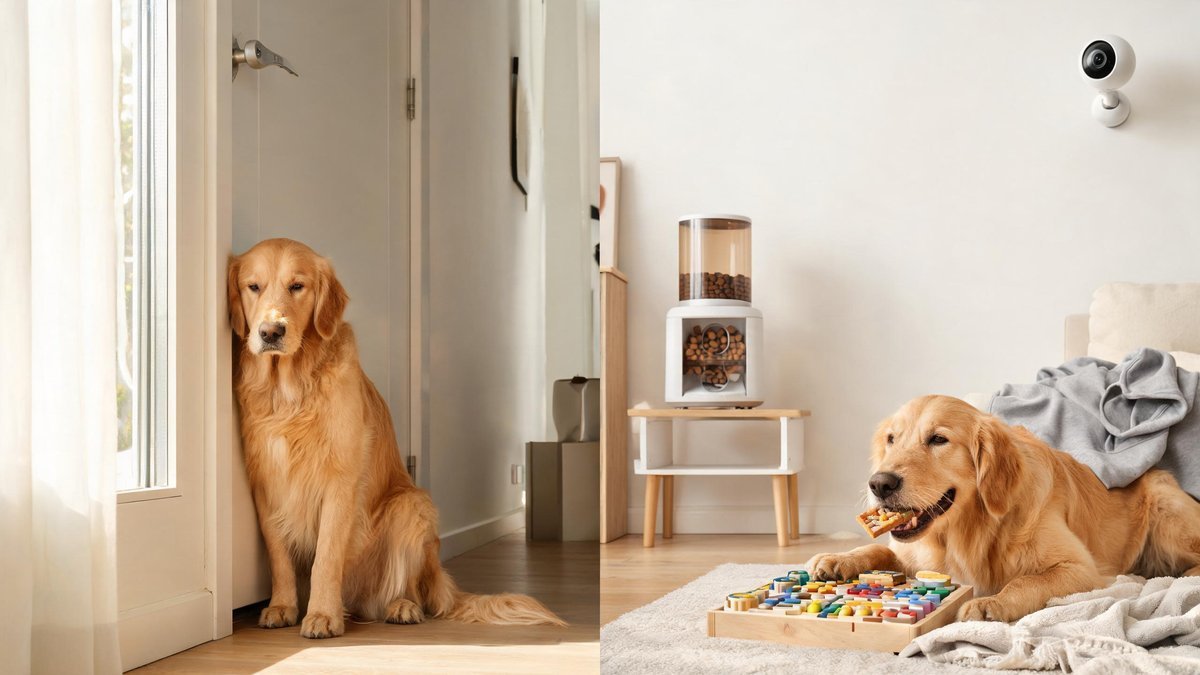
Your practical takeaway: Set up a camera when you leave. Watch the first 10 minutes. If your dog can’t settle, doesn’t touch a stuffed Kong, and shows frantic movement or vocalization, you’re likely dealing with separation anxiety — not just mischief. This quick observation gives you a clear starting point and helps you track progress later.
Why Your Dog Develops This Fear of Being Alone
Separation anxiety doesn’t have a single villain. It often surfaces after a major change. Dogs adopted from shelters are up to twice as likely to develop the condition, likely due to previous abandonment or multiple rehomings. A sudden shift in your schedule — like returning to the office after months of remote work — can trigger it in dogs who previously coped fine. Traumatic events, such as a break-in or a frightening storm while home alone, can also plant the seeds.
Veterinary Insight: A Purdue University study found that pets lower cortisol levels and blood pressure in their owners. The health benefits are mutual — a walked dog is a healthier dog.
Genetics play a role, too. Breeds with strong human-attachment traits, like Labrador Retrievers, Border Collies, and Vizslas, appear more prone. Even older dogs can develop it if they experience cognitive decline or a loss of a companion animal. The common thread? Your dog associates your absence with something terrifying. Understanding this lets you address the emotion, not just the behavior. So instead of punishing the chewed shoe, you’ll target the underlying panic. Start by mapping changes in your dog’s life over the past three months. That timeline often reveals a clear trigger you can address directly.
Retrain Your Dog’s Brain with Gradual Departures
Dogs with separation anxiety need to learn that your departure cues don’t spell doom. Systematic desensitization is the gold standard, and research shows that about 80% of dogs with mild to moderate anxiety improve significantly after eight weeks of consistent training. You’ll break down your leaving routine into tiny, non-scary steps. Instead of picking up your keys and walking out, you’ll pick up your keys, then put them down. Walk to the door, then sit back down. Open the door an inch, then close it. The dog stays below threshold — no panting, no pacing — at each stage.
Start with absences of just a few seconds. If your dog panics when you disappear for five seconds, go back to one second. Build duration only after you see calm behavior dozens of times in a row. Use a baby gate instead of a closed door at first to reduce the sense of entrapment. The key is never leaving long enough to trigger a full-blown anxiety attack, because each episode floods the brain with stress hormones and sets training back. Practicing multiple micro-exits daily for a week rewires the brain’s alarm system. You’ll notice your dog watching you walk to the door with ears relaxed instead of pinned back — that’s your green light.
Build a Soothing Environment with Scent and Sound
While you work on building tolerance, you can stack the deck with environmental supports. A 2020 study on dog-appeasing pheromones (DAP) found that continuous use of a diffuser reduced anxious vocalizations and destructive scratching by up to 70% in newly adopted dogs adjusting to alone time. These synthetic pheromones mimic the calming scent mother dogs produce while nursing. Plug one in near your dog’s safe space at least 24 hours before you plan to leave.
Pair that with consistent, calm background noise. Classical music or specially designed dog relaxation playlists can lower heart rate and cortisol levels, while sudden street noise jolts an already nervous system. Leave on a white noise machine if your building has thin walls. Your practical move: create a “departure zone” that your dog associates with good things. A cozy crate with the door removed, a snuffle mat, and a T-shirt you’ve worn works better than an empty room. Practice having your dog relax there for 10-minute sessions while you’re still home, dropping treats randomly. This makes the space a sanctuary, not a punishment cell.
Know When to Bring in Professional Support
Some dogs need more than desensitization and a pheromone diffuser. About 20% of dogs with separation anxiety require prescription medication alongside behavior modification to progress. If your dog self-injures, refuses to eat for hours even when you’re gone for a few minutes, or remains in a state of high panic despite weeks of gentle training, it’s time to consult a veterinary behaviorist. These specialists can prescribe anti-anxiety medications like fluoxetine or clomipramine, which help rebalance brain chemistry so your dog can actually learn new coping skills. Medication isn’t a sedative — it doesn’t knock your dog out. It brings the panic down to a manageable level where training can stick.
A separate 2023 survey of owners who used combined therapy reported that 65% saw meaningful improvement within three months, compared to just 30% of those who tried training alone for severe cases. Your takeaway: recognize the difference between a dog who’s simply uncomfortable and one who’s in a constant state of terror. If you’re seeing injuries, dehydration from drooling, or neighbors threatening complaints, don’t wait. Early intervention prevents the anxiety from becoming deeply ingrained and resistant to change.
Solidify New Habits with a Consistent Daily Flow
Dogs thrive on predictability. A structured routine doesn’t mean rigid micro-scheduling; it means your dog can anticipate when exercise, meals, and quiet time happen. A 2022 observational study of 500 households found that dogs with a consistent daily schedule displayed 60% fewer stress-related behaviors, including pacing and whining, even when left alone. The predictability acts as a security blanket — if your dog knows you always return after the afternoon walk and a peanut butter puzzle toy, the absence becomes less of a threat.
Build a pre-departure ritual that stays the same every single time. A short brisk walk, a five-minute training session, then a food-stuffed toy as you walk out the door. Burn mental energy, not just physical. Swap emotional, drawn-out goodbyes for a calm, “I’ll be back” hand signal and quick exit. Energy travels down the leash — if you’re hovering guiltily, your dog reads your anxiety. Stick with the plan for a full month before judging results. Dogs don’t track days; they track patterns. With consistency, your dog’s brain will eventually rewrite the story: alone time means treats, then you come back. Always.
Knowing when to seek veterinary attention can save your pet's life. Sudden changes in appetite, water intake, or energy levels warrant a call to your vet. Vomiting or diarrhea lasting more than 24 hours, unexplained weight loss, difficulty breathing, and persistent limping are all red flags that should not be ignored. Likewise, if your pet is hiding more than usual, showing aggression when touched, or refusing to use the litter box or go outside, these behavioral shifts often signal underlying discomfort. Trust your instincts -- you know your pet's normal better than anyone.
Regular veterinary checkups form the backbone of preventive pet care. Most adult dogs and cats benefit from an annual wellness exam, while seniors and animals with chronic conditions may need visits every six months. During these appointments, your veterinarian can catch emerging health issues before they become serious, update vaccinations, and perform routine bloodwork that reveals early signs of kidney disease, diabetes, or thyroid disorders. Many pet owners skip these visits when their animal appears healthy, but preventive care is ultimately more affordable and less stressful than emergency treatment.
Proper nutrition goes far beyond simply filling a bowl twice a day. Every life stage brings different dietary requirements. Growing puppies and kittens need controlled calcium and phosphorus ratios for healthy bone development. Adult pets thrive on maintenance formulas that match their activity level. Senior animals often benefit from increased protein to preserve muscle mass and added joint supplements like glucosamine and chondroitin. The quality of ingredients matters significantly -- named animal proteins should appear first on the ingredient list, and artificial preservatives, colors, and by-products are best avoided altogether.
Dental health is one of the most overlooked aspects of pet care, yet dental disease affects over 80 percent of dogs and cats by age three. Without regular care, plaque hardens into tartar, leading to inflamed gums, tooth loss, and bacteria that can enter the bloodstream and damage the heart, liver, and kidneys. Daily brushing with pet-safe toothpaste is the gold standard, but dental chews, water additives, and specially formulated diets can also help reduce buildup. Annual professional cleanings under anesthesia remain essential for removing tartar below the gum line where brushing cannot reach.
Physical activity is as vital for pets as it is for people, influencing not just weight management but also mental health and behavior. Dogs generally need 30 to 60 minutes of purposeful exercise daily, adjusted for breed, age, and health status. Cats benefit from interactive play sessions that mimic hunting behaviors. Inadequate exercise is a leading cause of obesity, which now affects over 50 percent of domestic pets and contributes to arthritis, diabetes, and reduced lifespan. A tired pet is a happy, well-behaved pet.