Table of Contents
Best Pet Cameras for Monitoring Pets While Away
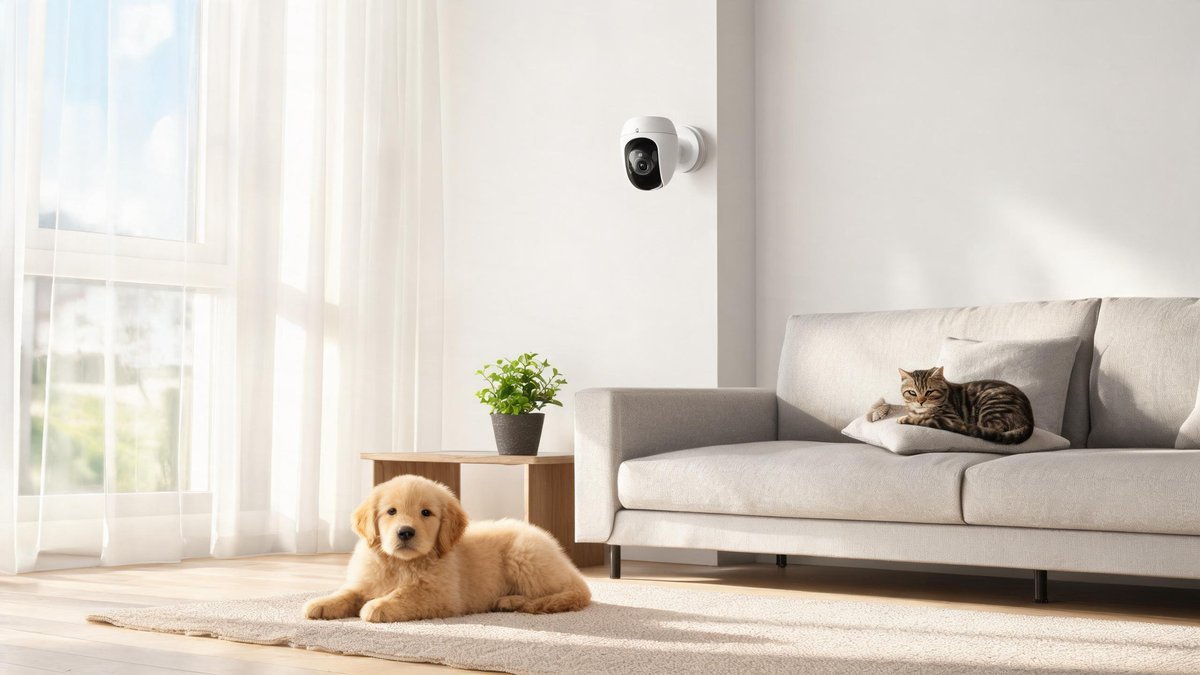
You're at work, and you can't shake the thought: Is Max tearing apart the couch—or just napping? For many pet parents, the daily separation brings a mix of guilt and curiosity. A good pet camera can turn that anxious wondering into a calm, informed connection. In the last two years, pet cameras have evolved from simple nanny cams to interactive devices that let you talk, toss treats, and even play laser games with your cat from miles away. You don't need a high-tech fortress to keep tabs on your furry friend; the right camera matches your lifestyle and your pet's personality. This guide breaks down what features actually matter, how to pick the ideal model, and the small setup tricks that make a big difference in your pet's day.
Why a Pet Camera Becomes Your Second Set of Eyes
Over 60% of pet owners admit they worry about their pet when they're not home, according to a 2024 Petco survey, yet only 23% use any monitoring device. That's a gap you can close easily. A camera gives you the power to see what your pet really does during the day—whether it's snoozing, staring out the window, or something you need to address. Separation anxiety affects about 14% of dogs, per the American Kennel Club, and for cats, boredom can trigger scratching or overgrooming. You'll spot these patterns early, long before they become destructive habits.
Instead of guessing whether your dog's barking disturbs neighbors, you'll hear the truth. Many models send real-time alerts when they detect barking or motion, so you're not glued to the feed. You can check in during lunch, see that your pup is curled up in the crate, and get back to your day. Even a basic indoor camera can shift your mindset from anxious to reassured. You'll learn your pet's daily rhythm: the 11 a.m. nap, the 2 p.m. window-watch session. That knowledge alone cuts down on worry calls to your dog walker, and you'll start leaving home with a clearer head.
The Features That Actually Matter in a Pet Camera
Not every shiny feature is worth the extra cost. Focus on what changes your pet's experience. A study in the Journal of Veterinary Behavior found that dogs left alone with audio recordings of their owner's voice showed 35% less stress-related behavior than those in silence. That's where two-way audio shines—you can comfort your pet without rushing home.
Veterinary Insight: The lifetime cost of a cat averages $12,000-$22,000. Adopting an adult cat with known health history and temperament reduces both financial and behavioral surprises.
Start with video quality: you need at least 1080p to tell if that shadow is your cat or a blanket. Night vision is non-negotiable because pets roam in low light, and modern infrared LEDs won't disturb them. Motion and sound alerts save you from staring at the app; you'll get a ping only when something happens. Wide-angle lenses of 130° or more cover a whole room, so you don't miss the corner where the mischief happens. If your dog is food-motivated, a treat-tossing camera turns check-ins into a positive game, but it's not essential for a cat that sleeps 18 hours a day. For small mammals or birds, a simple pan-tilt camera lets you follow their movement from afar. Avoid paying extra for 4K unless you need forensic detail—1080p is sharp enough to distinguish between "sleeping" and "seizure," which is the real medical benefit.
Choosing a Camera That Matches Your Pet's Personality
According to a 2023 report by the American Pet Products Association, 68% of U.S. households own a pet, but only 12% use a specialized pet camera, partly because people don't match the device to the animal. That leads to underuse. A dog that howls all day needs different features than a cat that hides under the bed.
For dogs with separation anxiety, look for a camera with bark alerts and a calming voice feature. Some models let you pre-record a message—"Good boy, I'll be home soon"—that plays automatically when barking is detected. User-reported data from a popular treat brand suggests this can cut barking duration by up to 40%. For cats, a camera with a built-in laser toy engages them for 10-minute play sessions you control remotely, cutting down on couch-scratching boredom. If you have multiple pets, a pan-tilt-zoom camera ensures you can find both the dog on the couch and the cat on the windowsill. And if your pet is a chewer, you'll want a camera that mounts securely out of reach, not one that sits on a coffee table within tail-whipping distance. Before you buy, identify the one behavior you most want to address—barking, destruction, hiding, or loneliness—and pick the feature that directly counters it.
Budget Cameras That Don't Skimp on Pet-Specific Smarts
In 2024, the average price of a basic indoor security camera with 1080p and motion alerts dropped to $35, while pet-specific models with treat dispensing still average $120. That gap means you can equip multiple rooms for the cost of one feature-heavy gadget, or simply save money without sacrificing monitoring quality.
Many popular budget security cameras now include pet detection in their subscription plans, distinguishing between a person, vehicle, and animal to reduce false alerts. For example, a Wyze Cam v4 shoots 2.5K video and offers color night vision for under $40, and it can ping you only when your dog moves. Refurbished or previous-gen pet cameras from major brands often dip below $70 and still include treat tossing and two-way audio. For cat owners, a $25 pan-tilt camera from a well-reviewed generic brand lets you sweep the room and find your kitty without paying for extra tricks. If budget is tight, buy a general-purpose indoor camera with strong motion detection, then add a separate automatic treat dispenser later. Just confirm the field of view covers the spot your pet uses most, and that night vision doesn't emit a red glow that might spook a nervous animal.
Setting Up Your Camera for Maximum Peace of Mind
A 2024 survey by a pet tech company found that 70% of owners set up their camera on a shelf pointed at the door, missing the couch or crate where the pet actually spends 90% of the day. That misplacement leads to false alarms or empty-screen anxiety. The best camera fails if you place it wrong or ignore the routine it reveals.
Put the camera at your pet's eye level—on a sturdy end table, a dedicated mount, or the floor if it's safe from chewing and accidents. Use the app's motion zones to outline the crate or favorite rug so you only get alerts when your pet moves there, not when a shadow passes the window. Angle the camera slightly downward for tall dogs to catch the whole living area. Introduce the camera gradually: let your pet sniff it while you're home, and pair it with a treat so it becomes a neutral object, not a suspicious spy. Schedule check-ins at consistent times—morning coffee, lunch break, afternoon stretch—so your pet learns that your voice from the speaker is part of the daily routine, not a random surprise that triggers barking. Take 15 minutes to test angles during evening, when lighting is low, to confirm night vision captures sleeping spots clearly. The goal isn't 24/7 surveillance; it's a quick, reassuring glance that tells you everything's normal, so you can focus on your day.
Your peace of mind and your pet's comfort don't have to cost a fortune. By focusing on the few features that truly impact your animal's daily experience—clear video, reliable alerts, and maybe a soothing voice or a treat toss—you'll build a bridge between your work life and home life. The right camera shows you the naps, the play, and the quiet moments that confirm your pet is okay, so you'll walk through the door each evening with a little less worry and a lot more tail wags.
Choosing the right products for your pet can feel overwhelming given the sheer volume of options on the market. When evaluating any pet product, safety certifications and independent testing should guide your decision. Look for brands that employ veterinary nutritionists on staff, conduct feeding trials, and publish their quality control standards. For collars, harnesses, and carriers, fit is paramount. Reading verified customer reviews and consulting your veterinarian before major purchases helps you invest wisely in products that genuinely benefit your pet's health and happiness.
Regular veterinary checkups form the backbone of preventive pet care. Most adult dogs and cats benefit from an annual wellness exam, while seniors and animals with chronic conditions may need visits every six months. During these appointments, your veterinarian can catch emerging health issues before they become serious, update vaccinations, and perform routine bloodwork that reveals early signs of kidney disease, diabetes, or thyroid disorders. Many pet owners skip these visits when their animal appears healthy, but preventive care is ultimately more affordable and less stressful than emergency treatment.
Knowing when to seek veterinary attention can save your pet's life. Sudden changes in appetite, water intake, or energy levels warrant a call to your vet. Vomiting or diarrhea lasting more than 24 hours, unexplained weight loss, difficulty breathing, and persistent limping are all red flags that should not be ignored. Likewise, if your pet is hiding more than usual, showing aggression when touched, or refusing to use the litter box or go outside, these behavioral shifts often signal underlying discomfort. Trust your instincts -- you know your pet's normal better than anyone.
Proper nutrition goes far beyond simply filling a bowl twice a day. Every life stage brings different dietary requirements. Growing puppies and kittens need controlled calcium and phosphorus ratios for healthy bone development. Adult pets thrive on maintenance formulas that match their activity level. Senior animals often benefit from increased protein to preserve muscle mass and added joint supplements like glucosamine and chondroitin. The quality of ingredients matters significantly -- named animal proteins should appear first on the ingredient list, and artificial preservatives, colors, and by-products are best avoided altogether.
Dental health is one of the most overlooked aspects of pet care, yet dental disease affects over 80 percent of dogs and cats by age three. Without regular care, plaque hardens into tartar, leading to inflamed gums, tooth loss, and bacteria that can enter the bloodstream and damage the heart, liver, and kidneys. Daily brushing with pet-safe toothpaste is the gold standard, but dental chews, water additives, and specially formulated diets can also help reduce buildup. Annual professional cleanings under anesthesia remain essential for removing tartar below the gum line where brushing cannot reach.