Table of Contents
It was a scorching July afternoon when Sarah noticed her Labrador, Max, had barely touched his water bowl all day. He seemed lethargic, his nose was dry, and when she pinched the skin on the back of his neck, it stayed tented for a few seconds. A quick call to the vet confirmed her fear: Max was mildly dehydrated. As simple as it sounds, ensuring your pet drinks enough water is one of the most overlooked aspects of pet care. In this guide, we'll dive into the science of hydration, answer exactly how much water your dog or cat needs, and give you actionable tips to prevent dehydration.
Why Hydration Matters More Than You Think
Water is the most essential nutrient for life. It makes up about 60% of a dog's body weight and 65% of a cat's. Every cell, organ, and system relies on water to function properly--from regulating body temperature to cushioning joints, flushing toxins, and aiding digestion. Even a 10% loss of body water can lead to serious health issues. Chronic low-level dehydration is linked to kidney disease, urinary tract infections, and constipation. In hot weather or after exercise, water loss accelerates, making it even more critical to monitor intake.
"A healthy dog should consume about 1 ounce of water per pound of body weight each day. For cats, it's roughly 3.5 to 4.5 ounces per 5 pounds of body weight." -- Dr. Jennifer Coates, DVM
Understanding these baseline numbers helps you spot when your pet might be falling short. But remember, individual needs vary based on diet (dry vs. wet food), activity level, age, and health conditions.
How Much Water Does Your Dog Need Every Day?
For dogs, the general rule of thumb is ½ to 1 fluid ounce of water per pound of body weight daily. That means a 50-pound dog requires 25 to 50 ounces--roughly 3 to 6 cups of water. Puppies, active dogs, and nursing mothers often need more. Dogs eating dry kibble (which contains only about 6-10% water) will drink more than dogs on a wet food diet (which is about 78% water). So a dog eating canned food might need only half as much from the bowl.
If you feed a raw or homemade diet, the moisture content can vary widely, so adjust accordingly. Always provide fresh, clean water at all times, and refill bowls at least twice daily. Some dogs are picky about temperature--many prefer cool water, and some are enticed by a splash of low-sodium chicken broth.
How Much Water Does Your Cat Need Every Day?
Cats are notoriously low drinkers, a trait inherited from their desert-dwelling ancestors. A 10-pound cat needs about 7 to 9 ounces of water per day--roughly one cup. However, studies show that many cats don't drink enough from bowls, relying on moisture in food. A cat eating only dry kibble gets less than 30% of its water needs from food, while a cat on wet food gets around 80%.
To encourage drinking, provide multiple water sources around the house, use wide bowls to avoid whisker stress (whisker fatigue is real), and consider a pet water fountain--moving water appeals to cat's instincts. According to a 2023 study in the Journal of Feline Medicine and Surgery, cats with access to a fountain drank 50% more than those with only a bowl.
Signs of Dehydration in Dogs and Cats
Early detection can prevent a trip to the emergency vet. Look for these common signs:
In dogs: Dry or sticky gums, loss of skin elasticity (skin tenting), sunken eyes, lethargy, and thick saliva. A dehydrated dog may also pant excessively, be less interested in treats, or have a slower capillary refill time (press on gums; color should return within 2 seconds).
In cats: Check for skin tenting at the scruff (though older cats naturally have less elasticity), dry nose, sunken eyes, and constipation. A dehydrated cat may also refuse to eat, hide more often, or urinate less frequently. In severe cases, they may stand over the water bowl but not drink.
If you suspect moderate to severe dehydration, contact your vet immediately. They might recommend subcutaneous fluid administration for quick rehydration.
Expert Tips to Keep Your Pet Hydrated
Beyond providing fresh water, here are proven strategies to boost intake:
- Upgrade to a water fountain: Moving water entices both dogs and cats. Many fountains have filters that remove impurities, encouraging more drinking.
- Add flavor: A small amount of low-sodium chicken or beef broth (no onion or garlic) can make water more appealing. For cats, a splash of tuna juice works wonders.
- Sneaky hydration: Add water to kibble (let it soak for 10 minutes) or mix wet food into meals. Ice cubes made from broth are also a fun treat.
- Multiple stations: Place water bowls in different rooms--especially for multi-pet households. Keep cats' bowls away from their litter boxes and food bowls.
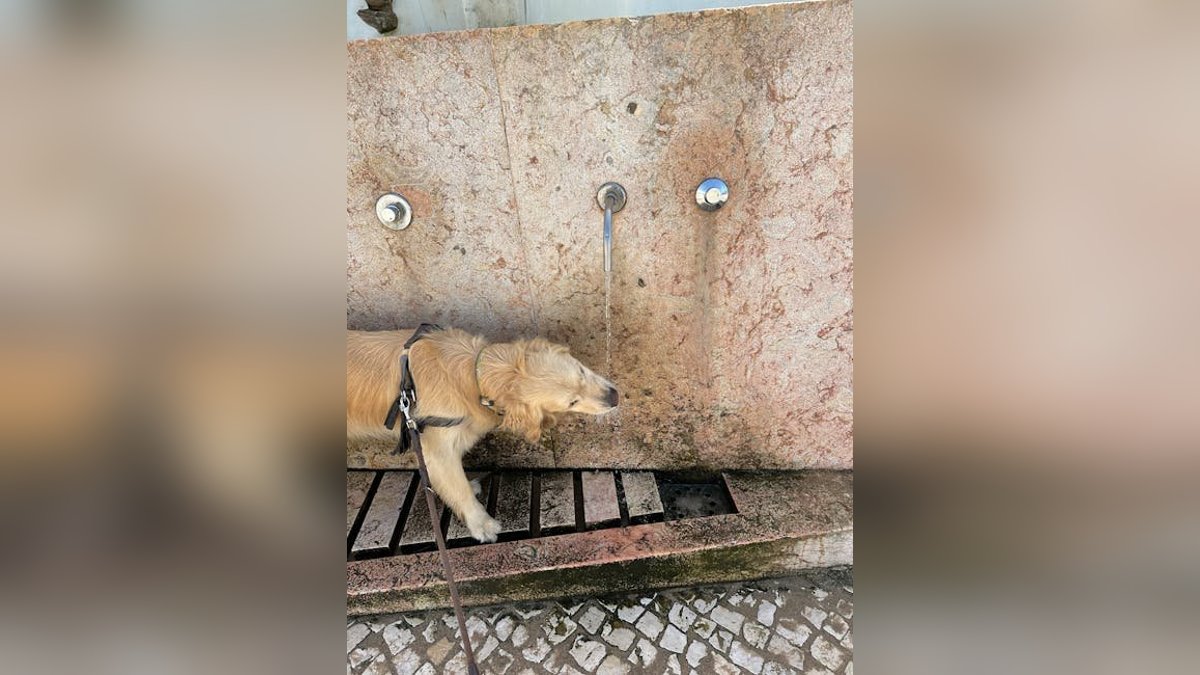
- Monitor during heat and exercise: On hot days or after long walks, offer water every 15 minutes. Bring a portable bowl on hikes.
- Consider wet food: If your pet is a picky drinker, switching from dry to wet food dramatically increases water intake. A can of wet food provides around 70-80% moisture.
Special Considerations: Puppies, Kittens, and Seniors
Puppies and kittens are more susceptible to dehydration due to their higher metabolic rate and smaller water reserves. Ensure they have constant access and monitor intake closely. Senior pets often develop reduced thirst sensation due to age-related changes or underlying conditions like kidney disease. They may need encouragement to drink--try offering water from your hand or using a syringe (without needle) to gently drop water onto their tongue. Always consult your vet if your senior pet shows a sudden change in drinking habits.
Key Takeaways: Your Hydration Checklist
- Know your pet's ideal daily water intake: 1 oz per lb for dogs; 7-9 oz per day for an average cat.
- Check for subtle signs of dehydration: skin tenting, dry gums, lethargy, and changes in appetite.
- Use multiple strategies: fountains, wet food, broth flavoring, and multiple water stations.
- Adjust for diet, activity, and weather--especially during summer.
- When in doubt, consult your veterinarian for personalized advice.
Hydration isn't just about drinking--it's about quality of life. By staying proactive, you can help your furry friend thrive, not just survive. If you found this guide helpful, share it with other pet parents. And remember, PetCareHub is here for all your pet care questions.
Choosing the right products for your pet can feel overwhelming given the sheer volume of options on the market. When evaluating any pet product, safety certifications and independent testing should guide your decision. Look for brands that employ veterinary nutritionists on staff, conduct feeding trials, and publish their quality control standards. For collars, harnesses, and carriers, fit is paramount. Reading verified customer reviews and consulting your veterinarian before major purchases helps you invest wisely in products that genuinely benefit your pet's health and happiness.
Regular veterinary checkups form the backbone of preventive pet care. Most adult dogs and cats benefit from an annual wellness exam, while seniors and animals with chronic conditions may need visits every six months. During these appointments, your veterinarian can catch emerging health issues before they become serious, update vaccinations, and perform routine bloodwork that reveals early signs of kidney disease, diabetes, or thyroid disorders. Many pet owners skip these visits when their animal appears healthy, but preventive care is ultimately more affordable and less stressful than emergency treatment.
Knowing when to seek veterinary attention can save your pet's life. Sudden changes in appetite, water intake, or energy levels warrant a call to your vet. Vomiting or diarrhea lasting more than 24 hours, unexplained weight loss, difficulty breathing, and persistent limping are all red flags that should not be ignored. Likewise, if your pet is hiding more than usual, showing aggression when touched, or refusing to use the litter box or go outside, these behavioral shifts often signal underlying discomfort. Trust your instincts -- you know your pet's normal better than anyone.
Proper nutrition goes far beyond simply filling a bowl twice a day. Every life stage brings different dietary requirements. Growing puppies and kittens need controlled calcium and phosphorus ratios for healthy bone development. Adult pets thrive on maintenance formulas that match their activity level. Senior animals often benefit from increased protein to preserve muscle mass and added joint supplements like glucosamine and chondroitin. The quality of ingredients matters significantly -- named animal proteins should appear first on the ingredient list, and artificial preservatives, colors, and by-products are best avoided altogether.
Dental health is one of the most overlooked aspects of pet care, yet dental disease affects over 80 percent of dogs and cats by age three. Without regular care, plaque hardens into tartar, leading to inflamed gums, tooth loss, and bacteria that can enter the bloodstream and damage the heart, liver, and kidneys. Daily brushing with pet-safe toothpaste is the gold standard, but dental chews, water additives, and specially formulated diets can also help reduce buildup. Annual professional cleanings under anesthesia remain essential for removing tartar below the gum line where brushing cannot reach.
Physical activity is as vital for pets as it is for people, influencing not just weight management but also mental health and behavior. Dogs generally need 30 to 60 minutes of purposeful exercise daily, adjusted for breed, age, and health status. Cats benefit from interactive play sessions that mimic hunting behaviors. Inadequate exercise is a leading cause of obesity, which now affects over 50 percent of domestic pets and contributes to arthritis, diabetes, and reduced lifespan. A tired pet is a happy, well-behaved pet.
Mental stimulation is just as important as physical exercise for your pet's overall well-being. Boredom in pets often manifests as destructive behaviors such as chewing furniture, excessive barking, or scratching carpets. Puzzle toys, treat-dispensing balls, and hide-and-seek games engage your pet's natural problem-solving instincts. Rotating toys every few days prevents habituation and keeps novelty alive. For cats, window perches and cat trees provide valuable environmental enrichment. For dogs, nose work games and basic trick training strengthen your bond while tiring them mentally in ways a simple walk cannot match.