Table of Contents
Bringing a rabbit into your home is a rewarding experience, but these prey animals have specific needs that differ from other small pets. Proper housing, a species-appropriate diet, and proactive health care are the three pillars of successful rabbit ownership. This guide covers everything you need to know to give your new rabbit a safe, healthy, and happy life.
Housing: Creating a Safe and Enriching Environment
Rabbits need ample space to hop, stretch, and stand on their hind legs. Avoid small wire-bottom cages sold at many pet stores; they can cause sore hocks and do not provide enough room for exercise. Instead, invest in a large exercise pen (at least 4 feet by 4 feet) or a custom-built enclosure. The minimum floor space for a single rabbit should be 8 square feet, with an attached run of at least 24 square feet for daily exercise. If you plan to free-roam your rabbit, rabbit-proof the room by covering electrical cords, blocking access to baseboards and furniture legs, and removing toxic plants.
Indoor housing is strongly recommended. Outdoor hutches expose rabbits to temperature extremes, predators, and isolation, which can lead to stress and illness. Rabbits are most comfortable in temperatures between 60°F and 70°F and should never be kept in direct sunlight or drafts. Inside, provide a hide box (such as a cardboard castle or wooden house) where your rabbit can retreat. Line the enclosure with soft, absorbent bedding like paper-based pellets or fleece liners. Avoid cedar or pine shavings, as the aromatic oils can damage a rabbit's respiratory system.
Litter training is straightforward. Place a shallow litter box in a corner your rabbit naturally chooses, fill it with paper-based litter, and top with a handful of hay. Rabbits often eat hay while eliminating, so positioning the hay rack above the litter box reinforces the habit. Clean the box daily and change the litter completely every other day. Most rabbits catch on within a week.
Diet: The Foundation of Rabbit Health
A rabbit's digestive system is designed for a high-fiber, low-calorie diet. Hay must make up approximately 80% of their daily intake. Timothy hay is the gold standard for adult rabbits; grass hays like orchard, meadow, or brome are also excellent choices. Alfalfa hay is too high in calcium and protein for rabbits over six months old and should be reserved for growing kits or pregnant does. Provide unlimited, fresh hay at all times -- a rabbit should eat a pile of hay roughly the size of its body every day.
Research from the House Rabbit Society shows that rabbits fed a diet consisting of at least 80% hay have significantly lower rates of dental disease and gastrointestinal stasis, two of the most common health problems in domestic rabbits.
A small portion of high-fiber pellets (1/8 to 1/4 cup per 5 pounds of body weight daily) supplements the hay. Choose a plain pellet with at least 18% fiber and no seeds, dried fruit, or colored pieces. Overfeeding pellets leads to obesity and reduces hay consumption.
Fresh vegetables should be offered daily -- about 2 cups per 6 pounds of body weight. Dark leafy greens such as romaine lettuce, cilantro, parsley, basil, and dandelion greens are ideal. Carrots and fruits are treats (1 to 2 tablespoons per day maximum) due to their high sugar content. Never feed rabbits iceberg lettuce, which lacks nutrients and can cause diarrhea, or starchy vegetables like potatoes or corn.
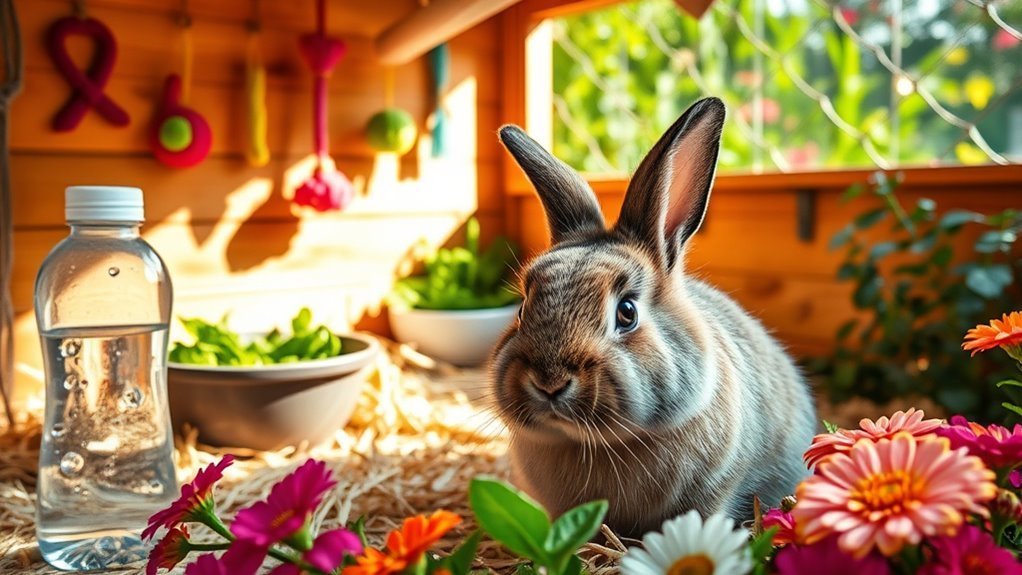
Fresh water must be available at all times, preferably in a heavy crock bowl rather than a bottle, as bowls encourage more natural drinking behavior. Clean and refill the bowl daily. Avoid adding vitamin drops or flavored water; plain water is best.
Health Essentials: Prevention and Early Detection
Rabbits are masters at hiding illness, so vigilance is key. Learn to recognize subtle signs: reduced appetite, smaller or misshapen droppings, lethargy, hunched posture, teeth grinding, or discharge from eyes or nose. Any change in eating or bathroom habits warrants an immediate veterinarian visit -- rabbits can deteriorate rapidly within 12 to 24 hours.
Find a rabbit-savvy veterinarian before you need one. Not all general practitioners are comfortable treating rabbits. Schedule a wellness exam within the first week of adoption to check weight, teeth, ears, and overall condition. After that, annual checkups are recommended for healthy adult rabbits; senior rabbits (over 5 years) should be seen every six months.
Spaying or neutering is essential for rabbits over 6 months of age. For females, spaying eliminates the risk of uterine cancer (which affects up to 80% of unspayed does by age 5) and prevents life-threatening uterine infections. For males, neutering reduces aggressive behaviors, urine spraying, and mounting. Both procedures make litter training easier and allow for safe bonding with another rabbit. Recovery is typically quick, and the long-term health benefits far outweigh the surgical risks when performed by an experienced exotics vet.
Dental health is a critical concern. Rabbit teeth grow continuously -- up to 5 inches per year. Proper wear comes from chewing hay and roughage. If a rabbit stops eating hay or starts drooling, pawing at its mouth, or losing weight, dental overgrowth or spurs may be the cause. A veterinarian will trim maloccluded teeth and may recommend dietary adjustments.
Grooming needs vary by breed. Short-haired rabbits shed lightly year-round and heavily twice a year. Long-haired breeds like Angoras require daily brushing to prevent mats and hairballs. During heavy shedding, increase brushing to remove loose fur and reduce the risk of gastrointestinal blockages (trichobezoars). Check nails every three to four weeks and trim as needed -- if you can hear them clicking on hard floors, they are too long.
Environmental enrichment also supports health. Provide tunnels, cardboard boxes, toys for tossing and chewing (untreated willow balls, apple sticks), and supervised time outside of the enclosure. Social interaction is crucial; rabbits are highly social animals and should not be left alone for more than 12 hours without company. If you cannot be present, consider adopting a bonded pair (both spayed/neutered) to keep each other company.
Final Thoughts
Rabbits can live 8-12 years with proper care. By committing to a hay-based diet, spacious housing, and regular veterinary attention, you will give your rabbit the best chance at a long, healthy life. Start with these essentials, and you'll build a strong foundation for a rewarding relationship with your new companion.
Regular veterinary checkups form the backbone of preventive pet care. Most adult dogs and cats benefit from an annual wellness exam, while seniors and animals with chronic conditions may need visits every six months. During these appointments, your veterinarian can catch emerging health issues before they become serious, update vaccinations, and perform routine bloodwork that reveals early signs of kidney disease, diabetes, or thyroid disorders. Many pet owners skip these visits when their animal appears healthy, but preventive care is ultimately more affordable and less stressful than emergency treatment.
Proper nutrition goes far beyond simply filling a bowl twice a day. Every life stage brings different dietary requirements. Growing puppies and kittens need controlled calcium and phosphorus ratios for healthy bone development. Adult pets thrive on maintenance formulas that match their activity level. Senior animals often benefit from increased protein to preserve muscle mass and added joint supplements like glucosamine and chondroitin. The quality of ingredients matters significantly -- named animal proteins should appear first on the ingredient list, and artificial preservatives, colors, and by-products are best avoided altogether.
Bringing a new pet home is an exciting milestone, but the first few weeks set the foundation for your entire relationship. Create a quiet, safe space where your pet can decompress before exploring the rest of your home. Dogs benefit from a consistent daily schedule for meals, walks, and potty breaks. Cats appreciate vertical space like cat trees or shelves where they can observe from a safe height. Introduce family members gradually and let your pet set the pace for interactions. Patience during this adjustment period pays enormous dividends in the trust and bond you will build over the coming years.
Knowing when to seek veterinary attention can save your pet's life. Sudden changes in appetite, water intake, or energy levels warrant a call to your vet. Vomiting or diarrhea lasting more than 24 hours, unexplained weight loss, difficulty breathing, and persistent limping are all red flags that should not be ignored. Likewise, if your pet is hiding more than usual, showing aggression when touched, or refusing to use the litter box or go outside, these behavioral shifts often signal underlying discomfort. Trust your instincts -- you know your pet's normal better than anyone.
Dental health is one of the most overlooked aspects of pet care, yet dental disease affects over 80 percent of dogs and cats by age three. Without regular care, plaque hardens into tartar, leading to inflamed gums, tooth loss, and bacteria that can enter the bloodstream and damage the heart, liver, and kidneys. Daily brushing with pet-safe toothpaste is the gold standard, but dental chews, water additives, and specially formulated diets can also help reduce buildup. Annual professional cleanings under anesthesia remain essential for removing tartar below the gum line where brushing cannot reach.
Physical activity is as vital for pets as it is for people, influencing not just weight management but also mental health and behavior. Dogs generally need 30 to 60 minutes of purposeful exercise daily, adjusted for breed, age, and health status. Cats benefit from interactive play sessions that mimic hunting behaviors. Inadequate exercise is a leading cause of obesity, which now affects over 50 percent of domestic pets and contributes to arthritis, diabetes, and reduced lifespan. A tired pet is a happy, well-behaved pet.
Mental stimulation is just as important as physical exercise for your pet's overall well-being. Boredom in pets often manifests as destructive behaviors such as chewing furniture, excessive barking, or scratching carpets. Puzzle toys, treat-dispensing balls, and hide-and-seek games engage your pet's natural problem-solving instincts. Rotating toys every few days prevents habituation and keeps novelty alive. For cats, window perches and cat trees provide valuable environmental enrichment. For dogs, nose work games and basic trick training strengthen your bond while tiring them mentally in ways a simple walk cannot match.
Regular grooming is about far more than keeping your pet looking good. Brushing removes loose fur and distributes natural skin oils, preventing mats that can pull painfully on the skin and trap moisture that leads to bacterial infections. Long-haired breeds may need daily brushing to prevent tangles. Nail trims prevent overgrowth that can alter gait and lead to joint pain over time. Ear cleaning helps prevent infections, particularly in floppy-eared breeds. Routine coat care gives you an opportunity to inspect for lumps, bumps, parasites, or skin abnormalities that might otherwise go unnoticed until they become serious health concerns.