Table of Contents
Creating a suitable habitat for your hermit crab is crucial for its health and longevity. These fascinating creatures require specific conditions to thrive, including proper humidity, access to appropriate shells, and the right substrate. This guide covers everything you need to know to set up and maintain an ideal hermit crab home.
Understanding Hermit Crab Needs
Hermit crabs are not low-maintenance pets. They are sensitive to their environment and can become stressed or ill if their habitat is not optimized. The three pillars of a healthy hermit crab habitat are humidity, shell selection, and substrate. Getting each right is essential.
"Proper humidity is the most critical factor in hermit crab health. Without it, they cannot breathe properly and may suffocate." – Dr. Emily Smith, Exotic Pet Specialist
Humidity Control
Why Humidity Matters
Hermit crabs have modified gills that require moist air to function. Ideal humidity levels range from 70% to 80%. Low humidity can cause stress, lethargy, and difficulty molting. High humidity can lead to mold growth and respiratory issues.
How to Measure and Maintain Humidity
Use a digital hygrometer to monitor humidity accurately. To increase humidity, mist the enclosure daily with dechlorinated water, use a reptile fogger, or place damp sphagnum moss in the tank. To decrease humidity, improve ventilation by adding more air holes or using a mesh lid.
Place the hygrometer at substrate level rather than near the top of the tank, since that is where your crabs spend most of their time and where humidity matters most. Calibrate your hygrometer every few months using the salt test method to ensure accuracy. An uncalibrated hygrometer that reads 10% too high can lead to chronic low humidity conditions that damage your crab's gills over time without you realizing it. Maintaining consistent humidity is more important than hitting perfect numbers every hour, so focus on stability rather than perfection.
- Misting: Mist morning and evening, being careful not to soak the substrate.
- Water bowls: Provide both fresh and salt water bowls deep enough for bathing.
- Substrate moisture: Keep substrate damp but not waterlogged.
Shell Selection
Why Shells Are Important
Hermit crabs need shells for protection and to support their soft abdomens. As they grow, they must find larger shells. Without suitable shells, crabs may fight over them or become vulnerable to injury.
Choosing the Right Shells
Offer a variety of shells that are slightly larger than the current one. Common shell types include turbos, whelks, and shells with round openings. Ensure openings are smooth and not chipped. Provide at least three to five extra shells per crab.
- Size: The shell should be 1/8 to 1/4 inch larger than the crab's current shell opening.
- Material: Natural shells without paint or chemicals.
- Placement: Place shells on the substrate or in a designated shell shop area.
Substrate
Why Substrate Matters
Substrate serves as flooring and aids in humidity retention. It also allows crabs to dig and bury themselves, which is essential during molting. The wrong substrate can cause injury or difficulty burrowing.
Best Substrates
The ideal substrate is a mixture of play sand and coconut fiber (coir) in a 5:1 ratio. This mix holds moisture well and allows for burrowing. Provide a depth of at least 6 inches or three times the height of your largest crab.
- Play sand: Inexpensive and holds shape when moist.
- Coconut fiber: Adds moisture retention and organic content.
- Calcium sand: Avoid; it can clump and harden, harming crabs.
Substrate Maintenance
Spot clean waste daily. Replace the entire substrate every six months or if mold develops. Keep the substrate damp but not wet. A properly maintained substrate will have a sandcastle-like consistency.
Additional Habitat Essentials
Temperature
Maintain a temperature of 75-85°F (24-29°C). Use an under-tank heater or heat lamp, but avoid direct heating that can dry out the air.
Decor and Enrichment
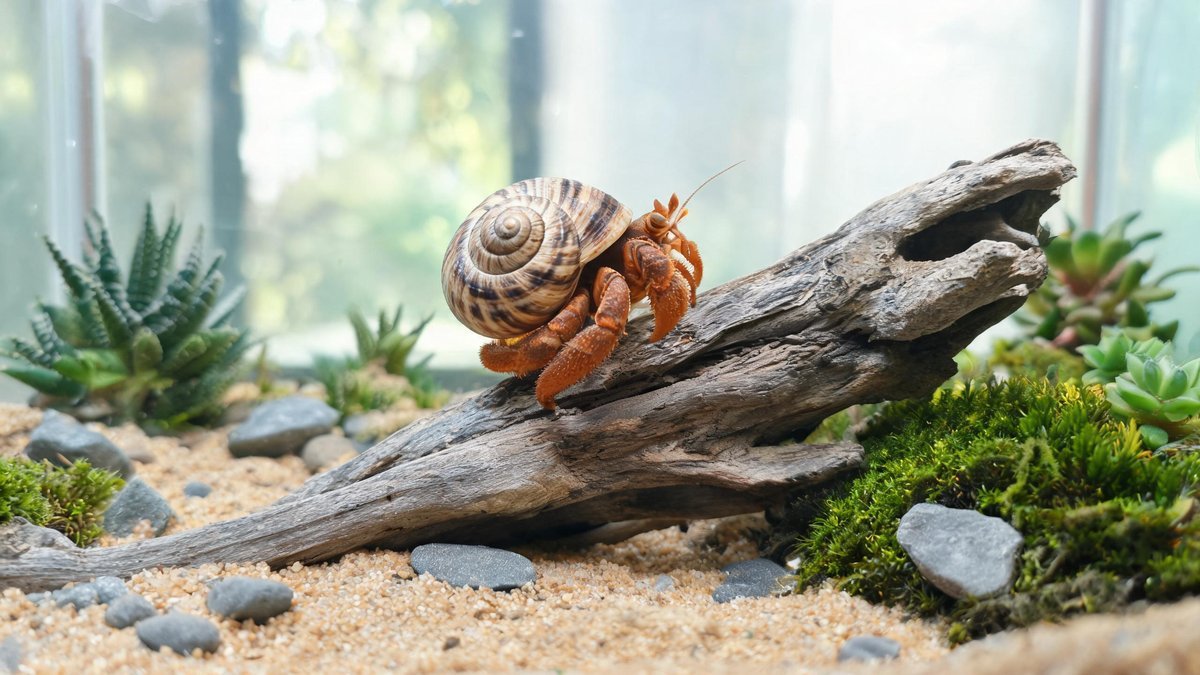
Provide climbing branches, hiding spots, and shallow water dishes. Change decor occasionally to stimulate exploration.
Cleaning
Clean food and water dishes daily. Replace food before it spoils. Use dechlorinated water for all purposes.
The Molting Process: Your Hermit Crab's Most Vulnerable Time
Molting is how hermit crabs grow — they shed their entire exoskeleton and form a new, larger one. The process can take 4-8 weeks for small crabs and up to several months for large individuals. Signs of an approaching molt include excessive digging, lethargy, a dull or ashy appearance to the exoskeleton, and reclusive behavior. A molting crab will bury itself completely in the substrate. This is the most critical rule of hermit crab keeping: never, under any circumstances, dig up a buried crab. Disturbing a molting crab causes extreme stress that is often fatal. The crab will resurface on its own when the new exoskeleton has hardened. During this time, maintain consistent humidity and temperature, and continue providing fresh food and water — other crabs in the tank still need care. After molting, leave the shed exoskeleton in the tank for at least a week; the crab will consume parts of it to recover calcium and minerals.
Creating a Proper Crabitat: Beyond the Basics
Hermit crabs are social animals that live in colonies of hundreds in the wild. Keeping a single crab alone leads to stress and shortened lifespan. A minimum of 3-5 crabs is recommended for a healthy social dynamic. The enclosure, called a crabitat, should be at minimum a 20-gallon long tank for 3-4 small crabs, with an additional 10 gallons for each additional crab. The lid must be glass or plexiglass — screen tops allow humidity to escape. Climbing structures are essential enrichment: cholla wood, cork bark, and hemp nets allow natural climbing behavior. Provide both a freshwater pool and a saltwater pool deep enough for crabs to fully submerge, with easy entry and exit using natural sponge ramps. Change both water sources every 2-3 days using dechlorinated water and marine salt mix (never table salt). A properly designed crabitat engages all of your hermit crab's natural behaviors: climbing, burrowing, shell shopping, soaking, and foraging.
Common Mistakes to Avoid
- Using painted shells – toxic to crabs.
- Substrate too shallow – prevents burrowing.
- Low humidity – leads to respiratory issues.
- Overcrowding – can cause stress and shell fights.
Conclusion
Creating the perfect hermit crab habitat requires attention to humidity, shell selection, and substrate. By following this guide, you'll provide a safe and enriching environment for your pet. Regularly monitor conditions and adjust as needed to keep your hermit crab healthy and happy.
Choosing the right products for your pet can feel overwhelming given the sheer volume of options on the market. When evaluating any pet product, safety certifications and independent testing should guide your decision. Look for brands that employ veterinary nutritionists on staff, conduct feeding trials, and publish their quality control standards. For collars, harnesses, and carriers, fit is paramount. Reading verified customer reviews and consulting your veterinarian before major purchases helps you invest wisely in products that genuinely benefit your pet's health and happiness.
Regular veterinary checkups form the backbone of preventive pet care. Most adult dogs and cats benefit from an annual wellness exam, while seniors and animals with chronic conditions may need visits every six months. During these appointments, your veterinarian can catch emerging health issues before they become serious, update vaccinations, and perform routine bloodwork that reveals early signs of kidney disease, diabetes, or thyroid disorders. Many pet owners skip these visits when their animal appears healthy, but preventive care is ultimately more affordable and less stressful than emergency treatment.
Knowing when to seek veterinary attention can save your pet's life. Sudden changes in appetite, water intake, or energy levels warrant a call to your vet. Vomiting or diarrhea lasting more than 24 hours, unexplained weight loss, difficulty breathing, and persistent limping are all red flags that should not be ignored. Likewise, if your pet is hiding more than usual, showing aggression when touched, or refusing to use the litter box or go outside, these behavioral shifts often signal underlying discomfort. Trust your instincts -- you know your pet's normal better than anyone.
Proper nutrition goes far beyond simply filling a bowl twice a day. Every life stage brings different dietary requirements. Growing puppies and kittens need controlled calcium and phosphorus ratios for healthy bone development. Adult pets thrive on maintenance formulas that match their activity level. Senior animals often benefit from increased protein to preserve muscle mass and added joint supplements like glucosamine and chondroitin. The quality of ingredients matters significantly -- named animal proteins should appear first on the ingredient list, and artificial preservatives, colors, and by-products are best avoided altogether.
Dental health is one of the most overlooked aspects of pet care, yet dental disease affects over 80 percent of dogs and cats by age three. Without regular care, plaque hardens into tartar, leading to inflamed gums, tooth loss, and bacteria that can enter the bloodstream and damage the heart, liver, and kidneys. Daily brushing with pet-safe toothpaste is the gold standard, but dental chews, water additives, and specially formulated diets can also help reduce buildup. Annual professional cleanings under anesthesia remain essential for removing tartar below the gum line where brushing cannot reach.
Physical activity is as vital for pets as it is for people, influencing not just weight management but also mental health and behavior. Dogs generally need 30 to 60 minutes of purposeful exercise daily, adjusted for breed, age, and health status. Cats benefit from interactive play sessions that mimic hunting behaviors. Inadequate exercise is a leading cause of obesity, which now affects over 50 percent of domestic pets and contributes to arthritis, diabetes, and reduced lifespan. A tired pet is a happy, well-behaved pet.
Mental stimulation is just as important as physical exercise for your pet's overall well-being. Boredom in pets often manifests as destructive behaviors such as chewing furniture, excessive barking, or scratching carpets. Puzzle toys, treat-dispensing balls, and hide-and-seek games engage your pet's natural problem-solving instincts. Rotating toys every few days prevents habituation and keeps novelty alive. For cats, window perches and cat trees provide valuable environmental enrichment. For dogs, nose work games and basic trick training strengthen your bond while tiring them mentally in ways a simple walk cannot match.